Key takeaways
- The base matters more than the paver.
- Compaction in lifts and a uniform bedding layer keep the surface flat.
- Edge restraint stops creeping and spreading.
- Joint sand locks the pavers together.
Excavation and base
The first step is removing soil to a depth that allows for the base and the paver. Patios need less base than driveways. The base is crushed stone, compacted in layers, and it must slope to drain. A geotextile fabric can separate the stone from the soil in soft ground.
Skipping depth or compaction is the most common cause of sinking and rutting.
Bedding sand and laying
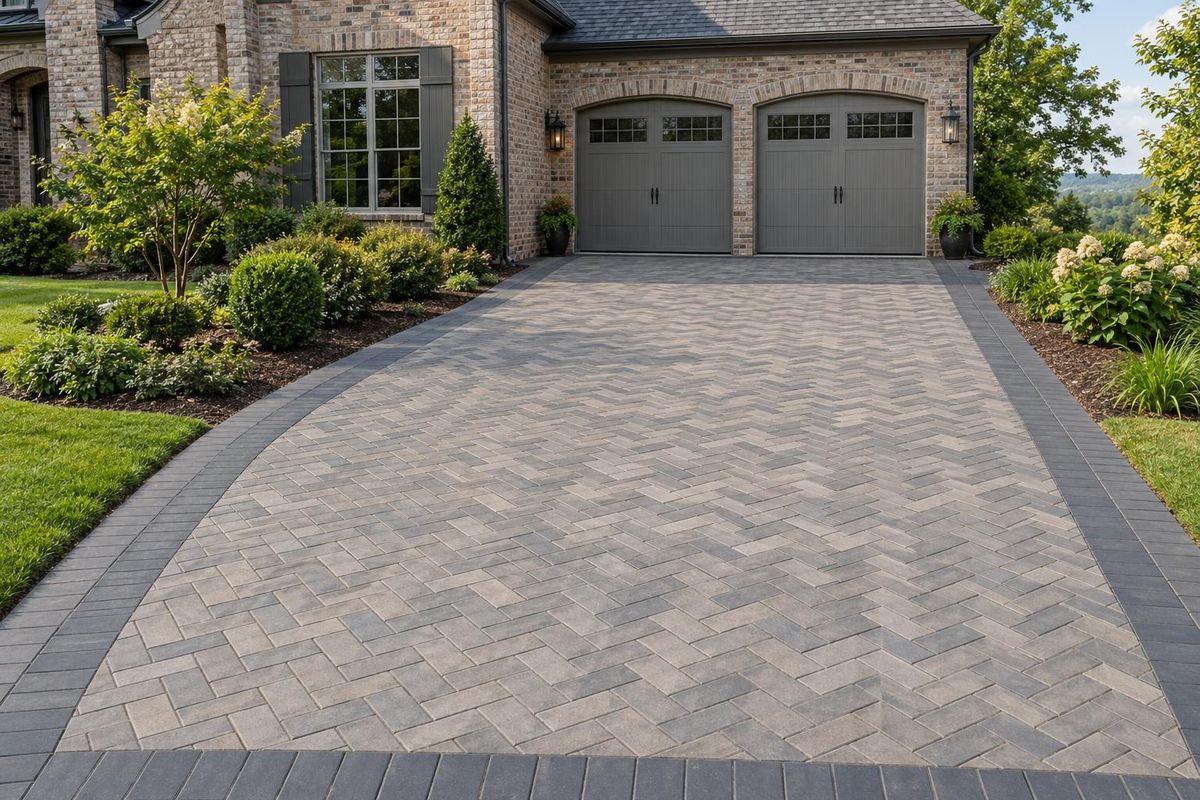
A thin, uniform layer of coarse bedding sand is screeded over the base, and pavers are set on it in the chosen pattern. Cutting is done for borders and edges, and straight lines are checked with string.
Do not use too much bedding sand. A thick layer settles unevenly.
Edge restraint and joint sand
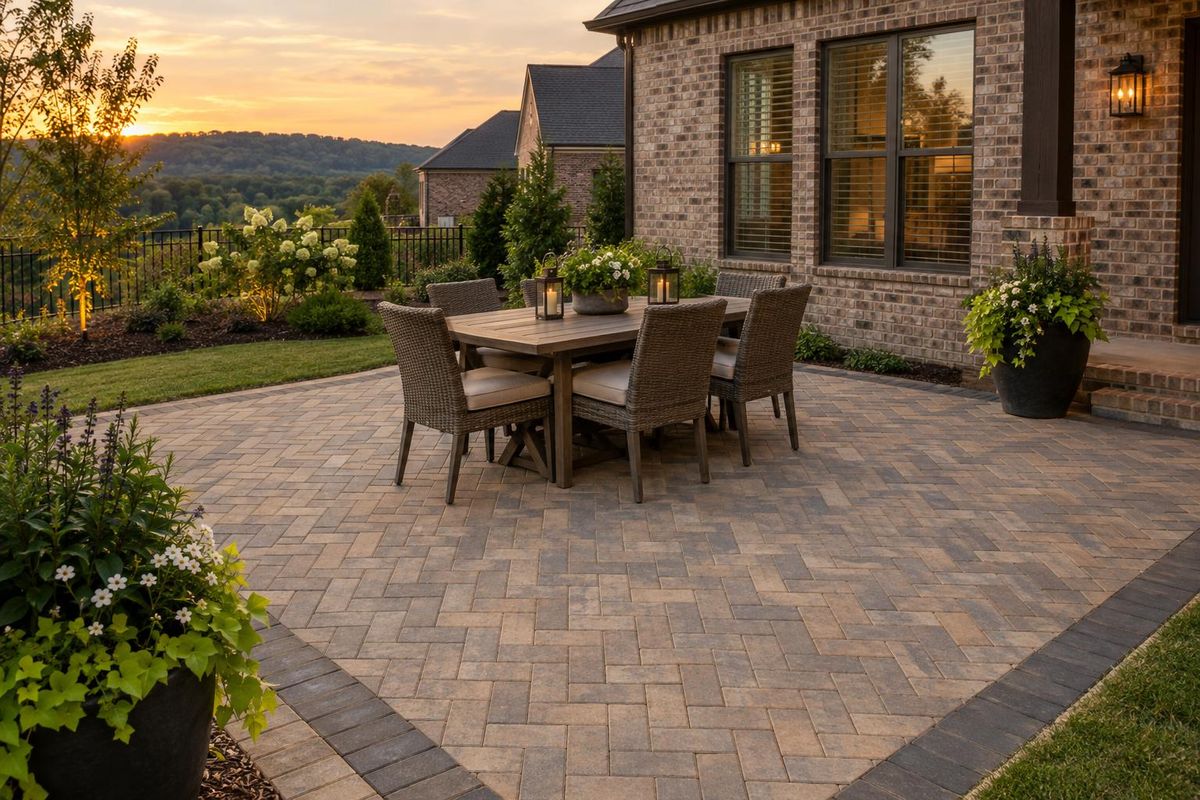
Edge restraint holds the outer pavers and keeps the field from spreading. Concrete, plastic or aluminum restraints are all used. After laying, the surface is compacted with a plate compactor and joint sand is swept in to lock the pavers together.
Polymeric sand hardens with water and helps keep weeds and ants out.
Where to learn more
Industry associations and manufacturers publish detailed installation guidance. Brand names and organizations belong to their owners, and we are not affiliated with them.
Official sites to explore
Brand names and logos belong to their owners. These links open the official websites in a new tab, and we are not affiliated with them.
Quick answers
How deep should the base be?
It depends on the soil and the use, with driveways deeper than patios. We set it for your site.
Do I need a geotextile?
In soft or clay soils, often yes.
Why use polymeric sand?
It hardens to hold the joints and resist weeds, ants and washout.